conservation at

conservation projects
Development
conservation at the core
The Sanctuary is a large, fully protected coastal habitat. It is home to a diversity of both marine and terrestrial species, many of which are classified rare or endangered. Preservation of these assets is critical and the conservation practices employed by The Sanctuary are receiving increasingly wide international recognition and acclaim.


birdlife - 354 species recorded
Recognised as an Important Birding Area, the Sanctuary's ongoing avifaunal census data reveals a total of 354 species of birds, including remarkable assemblages of waders that draw in birders from all over the world.
mammals and flora. rich biodiversity
A total of 60 mammal species and 505 plant species have been recorded, including several species classified either rare or endangered, as well as ten Red Data Book species.


marine turtle nesting
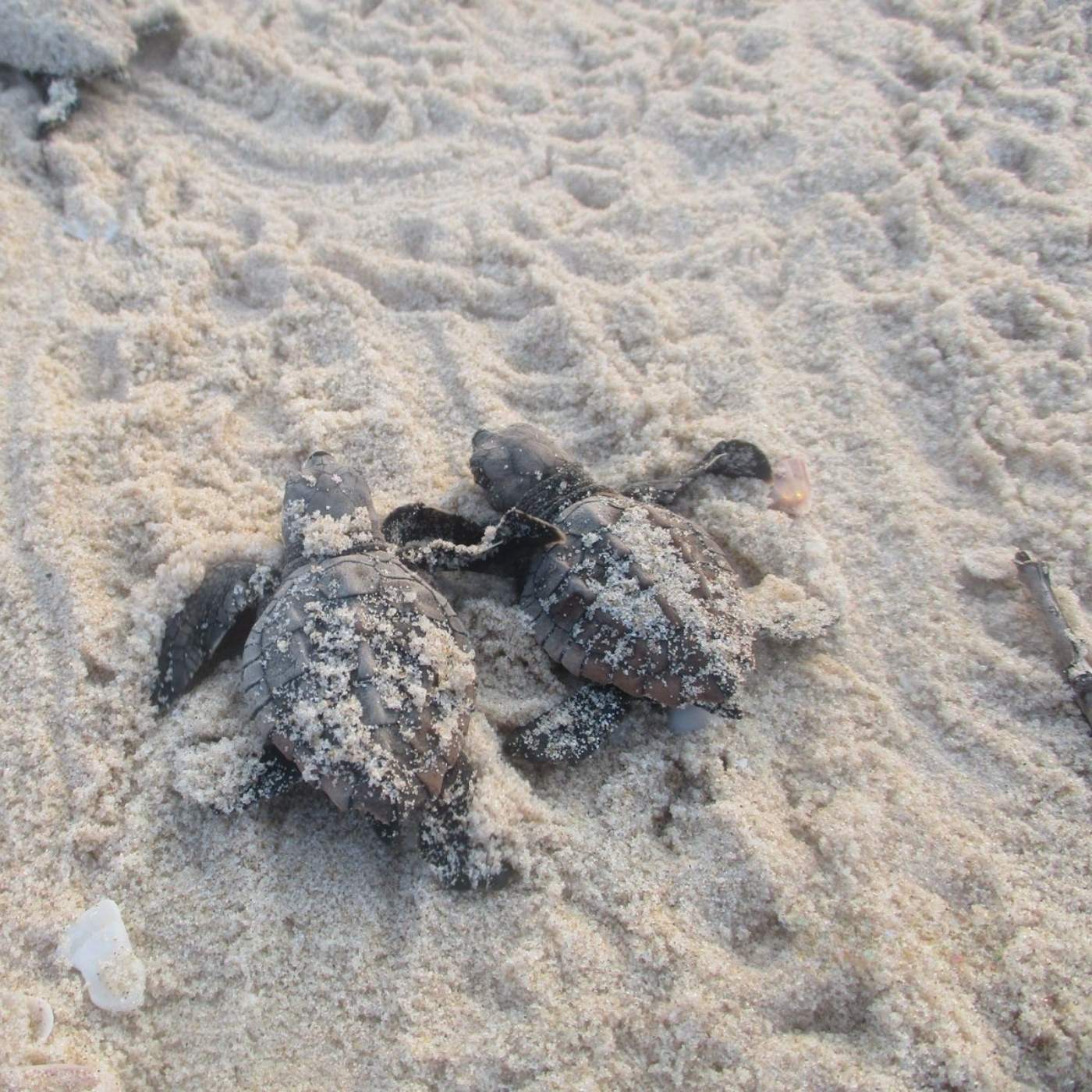
Four of the five species of marine turtles found in The Sanctuary waters and region, all classified as endangered, have been confirmed to nest on The Sanctuary beaches. This is more species than on any other mainland area.


conservation designations
Situated within the Mission Blue Inhambane Seascape Hope Spot, Great Bazaruto Key Biodiversity Area (KBA), Important Marine Mammal Area (IMMA), an Important Birding Area (IBA), and recently identified as an Important Shark and Ray Area (ISRA) .
GREATER BAZARUTO ISRA
The Sanctuary forms part of an Important Shark and Ray Area, a globally recognised designation identifying habitats essential for the persistence of vulnerable shark and ray populations. Its waters provide critical feeding, breeding, and nursery grounds for species of regional and global conservation concern.
Great Bazaruto Key Biodiversity Area (KBA)
The Sanctuary forms part of the Great Bazaruto Key Biodiversity Area, a globally recognised landscape spanning the Bazaruto Archipelago and the São Sebastião Peninsula. This designation reflects the area’s exceptional ecological integrity, supporting diverse marine and terrestrial habitats and species of global conservation significance, including one of the last viable dugong populations in the Western Indian Ocean.
IMPORTANT Marine MaMmal Area
The Sanctuary falls within a recognised Important Marine Mammal Area, playing host to resident populations of Indian Ocean Humpback Dolphins, Bottlenose Dolphins, Spinner Dolphins, migratory Humpback Whales, visiting Dugongs, and even occasionally Orcas.
explore and discover more

mangroves
Seven species of Mangrove are found within The Sanctuary, more than found in all of South Africa.

reefs
Artificial reefs created in deeper waters within the Marine Protected Areas of The Sanctuary have shown remarkably rapid increases in fish numbers as well as impressive widening of species observed.

marine environment
Spectacular varieties of marine life species make their homes in the Sanctuary’s waters, including the critically endangered Dugong. Other large species of interest are whale shark, manta ray and dolphin.

a bird’s perspective
Wetlands form the principal habitat of water birds, and The Sanctuary is fortunate in having an array of wetland types forming one of its most outstanding features.

flora
A unique array of different biomes enables a remarkable range of plant types to flourish within The Sanctuary, from open grasslands to wetland swamps and Miombo forests.

wildlife
An impressive list of large species such as eland, wildebeest and giraffe, introduced over the past decade, co-habit among growing populations of smaller endemic species.
sanctuary partners